2025 is already proving to be a turning point, with change happening faster than ever before. For professionals and organizations alike, the ability to adapt in the next year is no longer optional, it is essential.
This guide delivers a step by step approach to mastering time based strategies that will define success in the coming year. We will break down the basics, highlight the latest trends, and offer proven tactics you can implement immediately.
Imagine gaining more productivity, flexibility, and growth with every decision. Ready to stay ahead? Dive in and discover how time based planning gives you a real edge.
Understanding Time-Based Strategies: The Foundation for 2026
Staying ahead in 2026 means mastering the art of time based planning. At its core, this approach focuses on allocating resources, tasks, and measurement according to specific time intervals. This is true for both businesses and individuals. In business, strategies can refer to billing models, project cycles, or even performance reviews. Personally, it might mean setting daily routines or tracking progress weekly to ensure consistent growth.
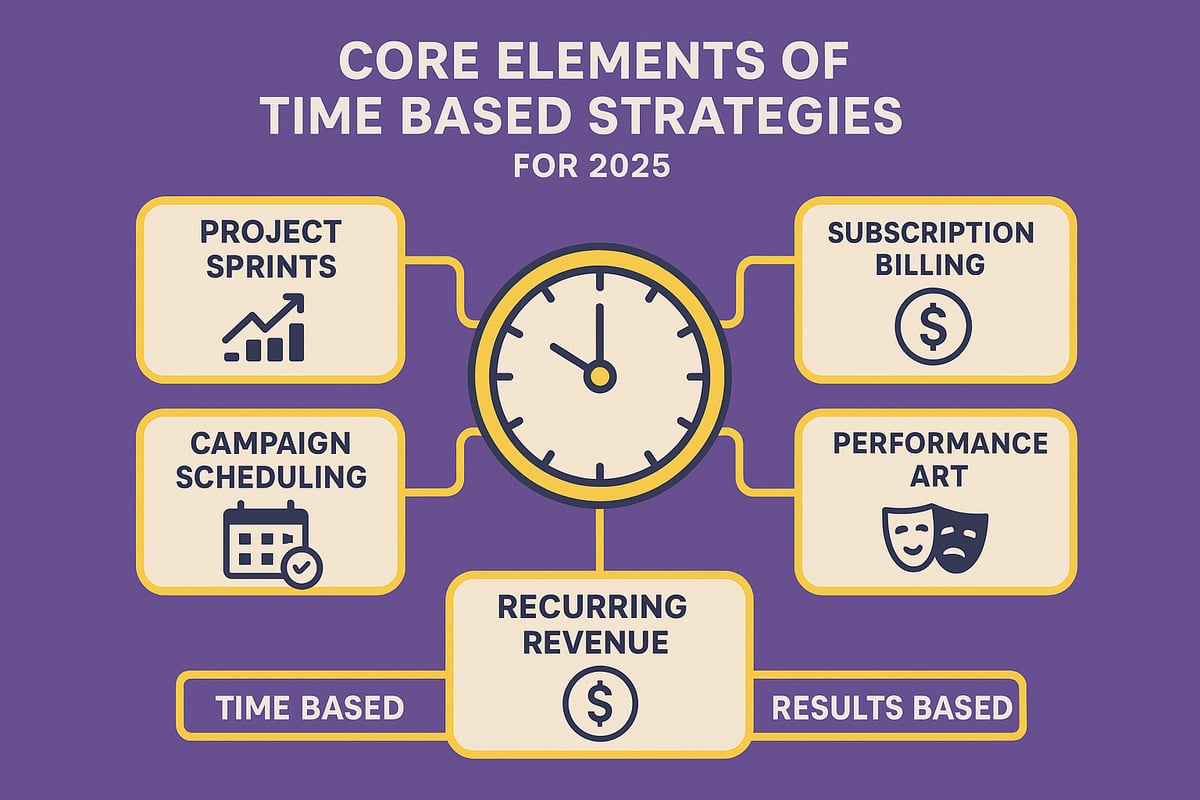
Let’s clarify the difference between time based and results-based models. In HR, a time based pay system rewards employees for hours worked, while a results-based system compensates based on completed deliverables. In project management, time based planning breaks work into sprints or intervals, while results-based focuses on end goals, regardless of the timeline.
Aspect | Time Based Approach | Results-Based Approach |
|---|---|---|
Focus | Hours, periods, or milestones | Outputs, deliverables, outcomes |
Example (HR) | Hourly wages, shift schedules | Commission, project completion bonus |
Example (Projects) | Weekly sprints, monthly reviews | Final product, launch date |
Best For | Ongoing tasks, recurring work | Defined, one-off projects |
Why is a time based mindset crucial in 2025? The pace of change is accelerating. Markets shift overnight. Technology evolves rapidly. These strategies allow teams to respond quickly, reallocating resources as priorities change. This agility is vital for staying competitive.
Time based thinking isn’t confined to one sector. Here’s how it plays out across industries:
Tech: SaaS companies using subscription billing instead of one-time sales.
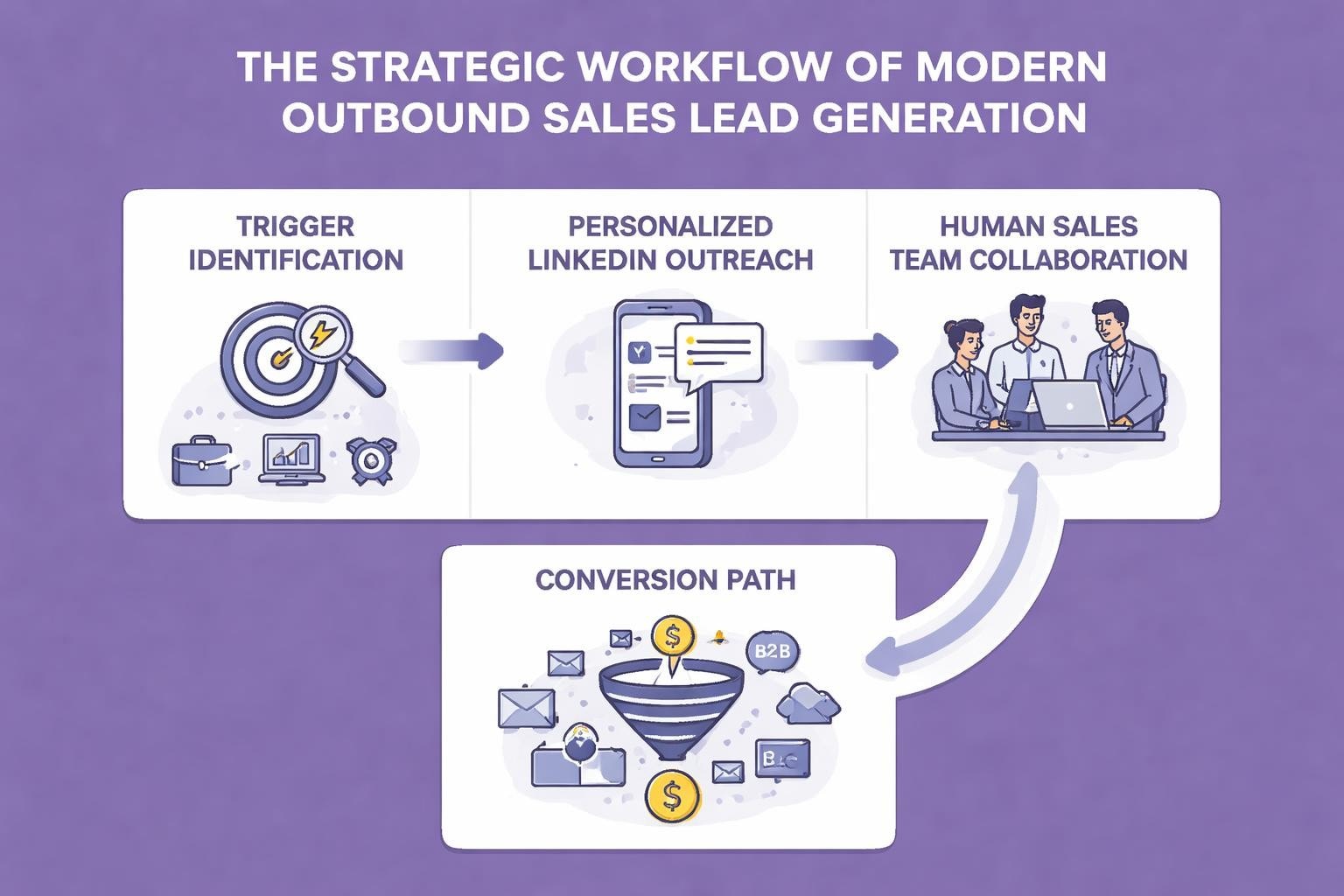
Sales: Trigger-based outreach that targets prospects at the right moment.
Marketing: Scheduling campaigns for peak engagement windows.
Operations: Rotating shifts and dynamic staffing.
Creative fields: Time based media, like performance art or episodic digital content.
Even in art and media, these concepts are reshaping experiences. Performance pieces unfold over set durations. Digital content is released episodically, creating anticipation. Subscription models, such as streaming platforms, capture value on a regular, time based cycle.
Data backs up this shift. A recent industry survey found that over 60% of new software businesses rely on recurring revenue models. This marks a clear move away from deliverable-based billing. Companies leveraging Trigger-based inbound strategy are seeing improved campaign timing and higher engagement rates, proving the value of time based workflows.
Ultimately, mastering these kinds of strategies leads to smarter resource allocation, increased agility, and resilience in uncertain markets. Planning enables teams to anticipate change, make proactive decisions, and foster a culture of continuous improvement. In a world where timing is everything, those who embrace this approach will shape the future.
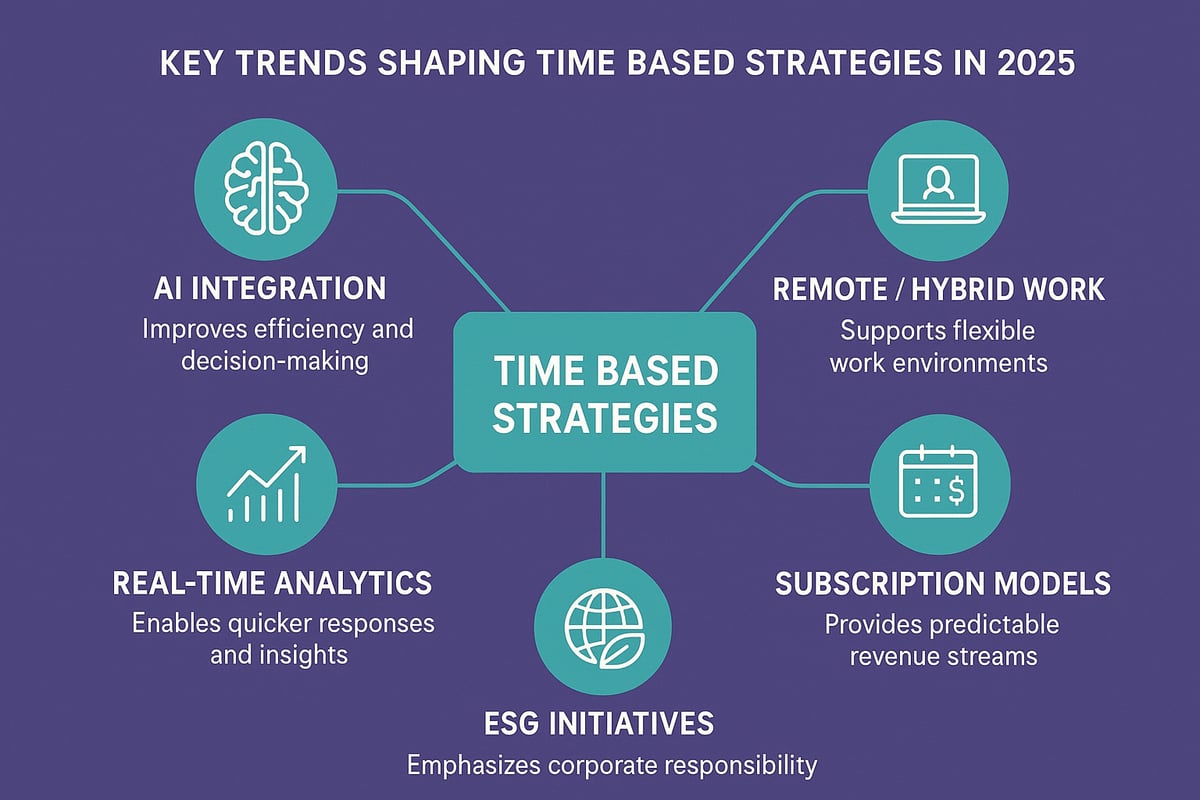
Key Trends Shaping Time-Based Strategies in 2025
The landscape of 2025 is defined by rapid transformation, making these strategies more critical than ever. Organizations and individuals are rethinking how they plan, execute, and adapt, as new trends reshape every aspect of business and personal productivity. Understanding these shifts is essential for anyone seeking a competitive edge in the year ahead.
Macro Trends Reshaping Time Based Strategy
Several powerful macro trends are converging to redefine time based approaches in 2025:
AI Integration: Artificial intelligence and machine learning are enabling organizations to automate tasks, predict outcomes, and make faster, smarter decisions.
Remote and Hybrid Work: The shift to distributed teams is accelerating, demanding new kinds of collaboration and management models.
Automation: Routine tasks are increasingly handled by automated systems, freeing up human time for higher-value work.
Global Markets: Businesses must now respond to international events in real time, adjusting strategies as global conditions change.
Each of these trends increases the need for flexible planning and execution.
Real-Time Data and Analytics: The Heart of Modern Time Based Strategy
In 2025, the ability to harness real-time data is a game-changer. Decision-makers rely on up-to-the-minute insights to pivot quickly, optimize workflows, and stay ahead of competitors. Strategies are now built around the constant flow of analytics, replacing static annual plans with dynamic, responsive processes.
For a deeper dive into how data and analytics drive modern time based methods, see this resource on the importance of building a data-driven sales strategy.
The Rise of Subscription Pricing, and On-Demand Models
One of the most significant shifts is the move from results-only or deliverable-based models to recurring, time based frameworks. Subscription pricing, retainer agreements, and on-demand services are now standard across industries. Companies benefit from predictable revenue streams, while customers enjoy flexibility and continuous value.
According to industry reports, subscription-based business models have grown by over 400% in the past decade, reflecting the increasing dominance of time based revenue approaches. This growth means organizations can forecast, invest, and scale with greater confidence.
Sustainability, ESG, and Their Impact on Planning
Environmental, Social, and Governance (ESG) initiatives are shaping how companies approach time based decisions. Sustainability projects often require long-term planning with clear, milestones to track progress and impact. Forward-thinking organizations are embedding ESG criteria directly into their time based workflows, ensuring that growth aligns with responsible practices.
Real-World Examples of Leading Time Based Models
Industry leaders provide clear evidence of the power of time based strategy:
Netflix: Uses precise content release schedules and engagement metrics to retain subscribers and optimize offerings.
SaaS Companies: Employ time based billing cycles and renewal triggers, driving predictable growth and customer retention.
Marketing Leaders: Adjust campaign timing in real time using engagement analytics, maximizing impact and ROI.
These examples highlight how time based thinking is no longer optional. It is a core capability for thriving in 2025's volatile markets.
The Bottom Line: Adaptation and Opportunity
Those who embrace time based strategies will be best positioned to anticipate market changes, meet evolving customer demands, and capitalize on emerging opportunities. The trends of 2025 are clear: agility, real-time intelligence, and continuous adaptation are the new benchmarks for success.
Step-by-Step: Mastering Time-Based Strategies Throughout 2026
Mastering a time based approach in 2026 requires both structure and agility. Adapting to new data, evolving priorities, and shifting market conditions is essential. By breaking your year into quarters, you can proactively address challenges and capitalize on opportunities as they arise.
Below is a step-by-step guide for building, implementing, and optimizing your strategy throughout 2026. Each phase includes actionable steps, checklists, and expert insights to ensure you stay ahead.
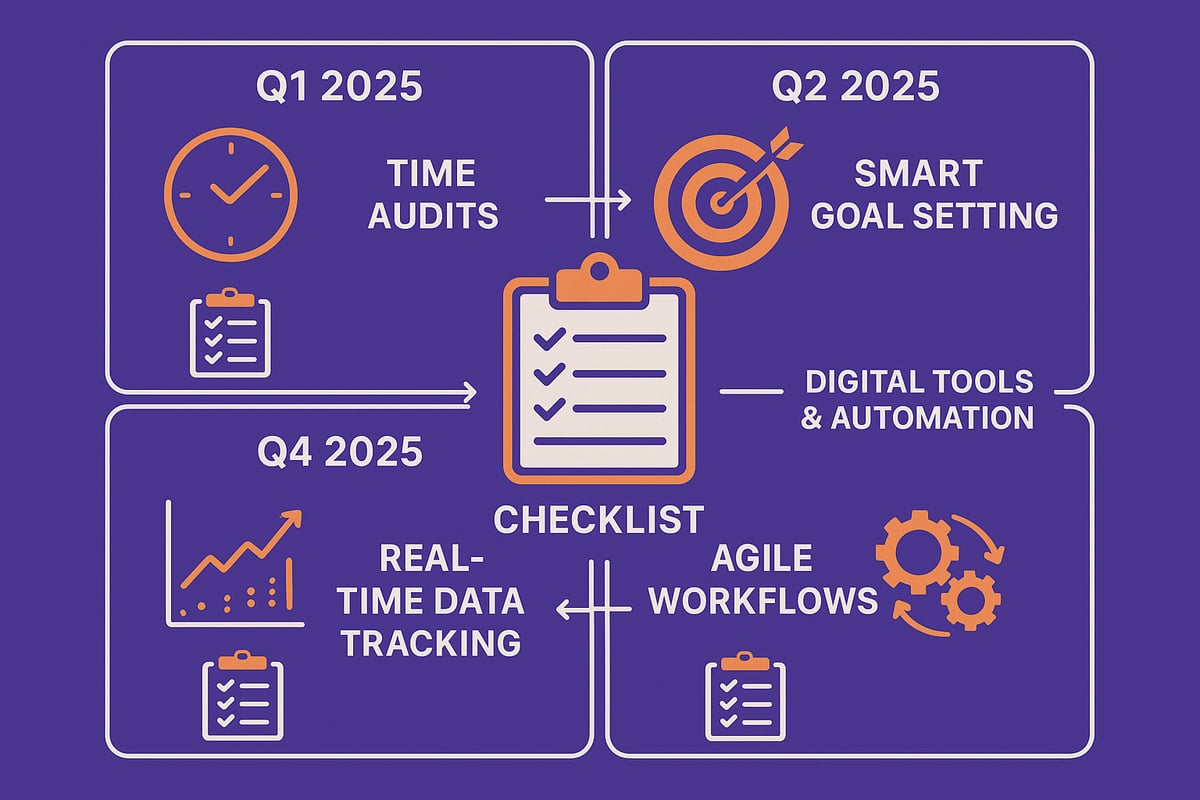
Q1: Laying the Groundwork for Time-Based Success
Start your year by evaluating how you currently spend your time. Conduct a comprehensive time audit to uncover inefficiencies in your workflows. This is the foundation of a successful strategy.
Set clear, SMART goals for 2026. Each goal should be specific, measurable, achievable, relevant, and time bound. Tie your objectives to time based milestones, not just end results, to ensure continuous progress.
Establish KPIs that reflect both outputs and outcomes. Use real-time tracking tools to monitor your progress. Solutions like time tracking software and project dashboards provide the visibility needed for effective course correction.
Consider transitioning from annual to quarterly planning cycles. This shift helps you remain agile and responsive, allowing for rapid adjustments as new information emerges.
Here’s a quick checklist to kick off your time based journey:
Action | Tool/Method | Outcome |
|---|---|---|
Time audit | Time tracking software | Identify inefficiencies |
Set SMART goals | Goal-setting frameworks | Clear direction |
Define time based KPIs | Project dashboards | Track progress |
Implement real-time reporting | Analytics tools | Immediate insights |
Switch to quarterly planning | Calendar/project tools | Greater agility |
Leverage resources like Maximizing efficiency with sales tools to identify platforms that support your time based strategy. Early clarity in Q1 sets the stage for adaptability and ongoing success.
Q2: Implementing Agile and Adaptive Systems
With the groundwork set, shift your focus to agility. Adopt sprint-based workflows, breaking large projects into short, focused intervals. This time based approach promotes rapid feedback, iteration, and learning.
Foster a culture of experimentation. Encourage teams to test new ideas, analyze results, and pivot quickly. This mindset is crucial for innovation in fast-paced industries.
Automate routine, time sensitive tasks to free up resources for strategic work. Use workflow automation tools to trigger actions based on real-world events, ensuring your time based efforts are always relevant.
For example, sales teams can use trigger-based prospecting to reach out to leads at the optimal moment, maximizing response rates and conversions.
A recent industry benchmark shows that companies adopting agile methods deliver projects 25% faster. This illustrates the power of a time based system for accelerating results.
Remember, flexibility and responsiveness are your competitive edge. Review your agile process regularly and refine your workflows as needed.
Q3: Measuring Progress and Optimizing in Real Time
At this point, measurement is vital. Use data analytics to track your progress toward time based goals. Real-time insights allow you to spot trends, identify bottlenecks, and make informed decisions quickly.
Conduct a thorough mid-year review. Assess your strategy and adjust your approach where necessary. Stay open to changing course if results or market conditions demand it.
Integrate customer feedback into your process for ongoing improvement. For instance, marketing teams can adjust campaign schedules in real on engagement analytics, ensuring their efforts hit the mark.
The key is to avoid wasted effort. Real-time measurement and optimization keep your strategy aligned with your objectives and maximize your ROI.
Q4: Scaling and Sustaining Time-Based Initiatives
In the final quarter, focus on scaling your most effective time based practices across the organization. Institutionalize successful workflows and make them part of your company’s culture.
Prepare for end-of-year transitions by documenting lessons learned. Establish knowledge-sharing systems to help others replicate your successes.
Plan for the next year by reviewing your current initiatives. Identify what worked, what didn’t, and where there’s room for improvement. Product teams, for example, can launch time limited offers or events to create urgency and drive results in Q4.
Sustaining momentum ensures your time based strategy delivers long-term impact and growth. Make continuous improvement a core value as you move into 2027.
Overcoming Common Pitfalls in Execution
Even the best time based plans can face obstacles. Here are common challenges and solutions:
Scope creep: Use strict prioritization and revisit goals often.
Burnout: Encourage regular breaks and realistic workloads.
Lack of alignment: Hold frequent check-ins to ensure everyone’s on the same page.
Successful execution depends on clear communication, strong prioritization, and a willingness to adapt. Learn from these pitfalls to keep your strategy on track.
Case Studies: Real-World Applications of Time-Based Strategies
Mastering time based strategies is not just theory—real organizations are using these methods to drive measurable results. Below, we explore how leaders across SaaS, creative, and B2B sectors have transformed their operations using time based models.
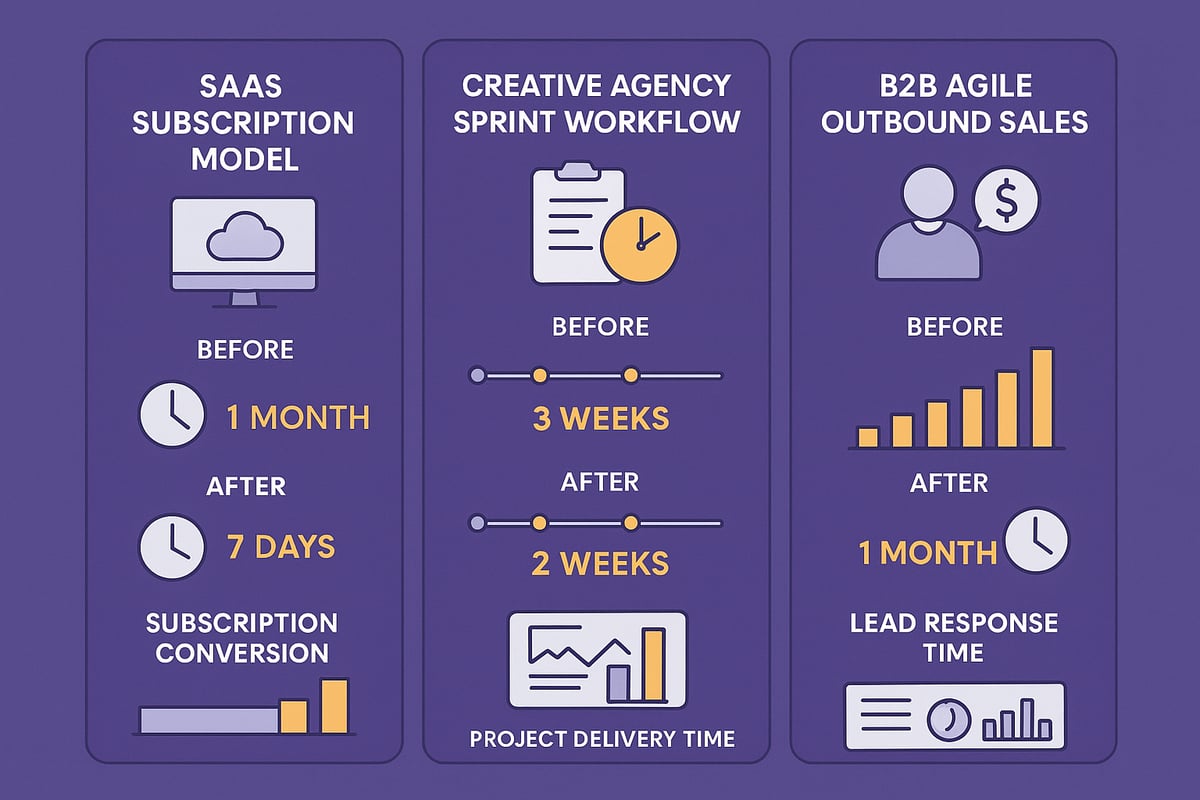
SaaS Company: Boosting Recurring Revenue with Subscription Billing
A leading SaaS provider recognized the need for predictable, scalable income. They shifted from one-time license sales to a time based subscription model.
Before this shift, annual revenue was unstable and customer churn was high. By implementing monthly billing cycles and automated renewals, the company increased Annual Recurring Revenue (ARR) by 30% and improved retention by 25%.
Metric | Before (2019) | After (2024) |
|---|---|---|
ARR | $10M | $13M |
Retention Rate | 68% | 85% |
This approach allowed for proactive customer engagement and more accurate forecasting.
Creative Agency: Accelerating Delivery Through Project Sprints
In the creative sector, a boutique agency faced delays and missed deadlines. Adopting time based project sprints brought structure and focus to their workflow.
They moved from long, unstructured timelines to two-week sprint cycles. The result? Delivery times dropped by 40% and client satisfaction scores soared.
Sprint planning replaced loose project scopes
Teams reviewed progress at the end of each cycle
Real-time adjustments improved creative output
This time based model encouraged accountability and continuous improvement.
B2B Tech Firm: Agile Outbound for Market Agility
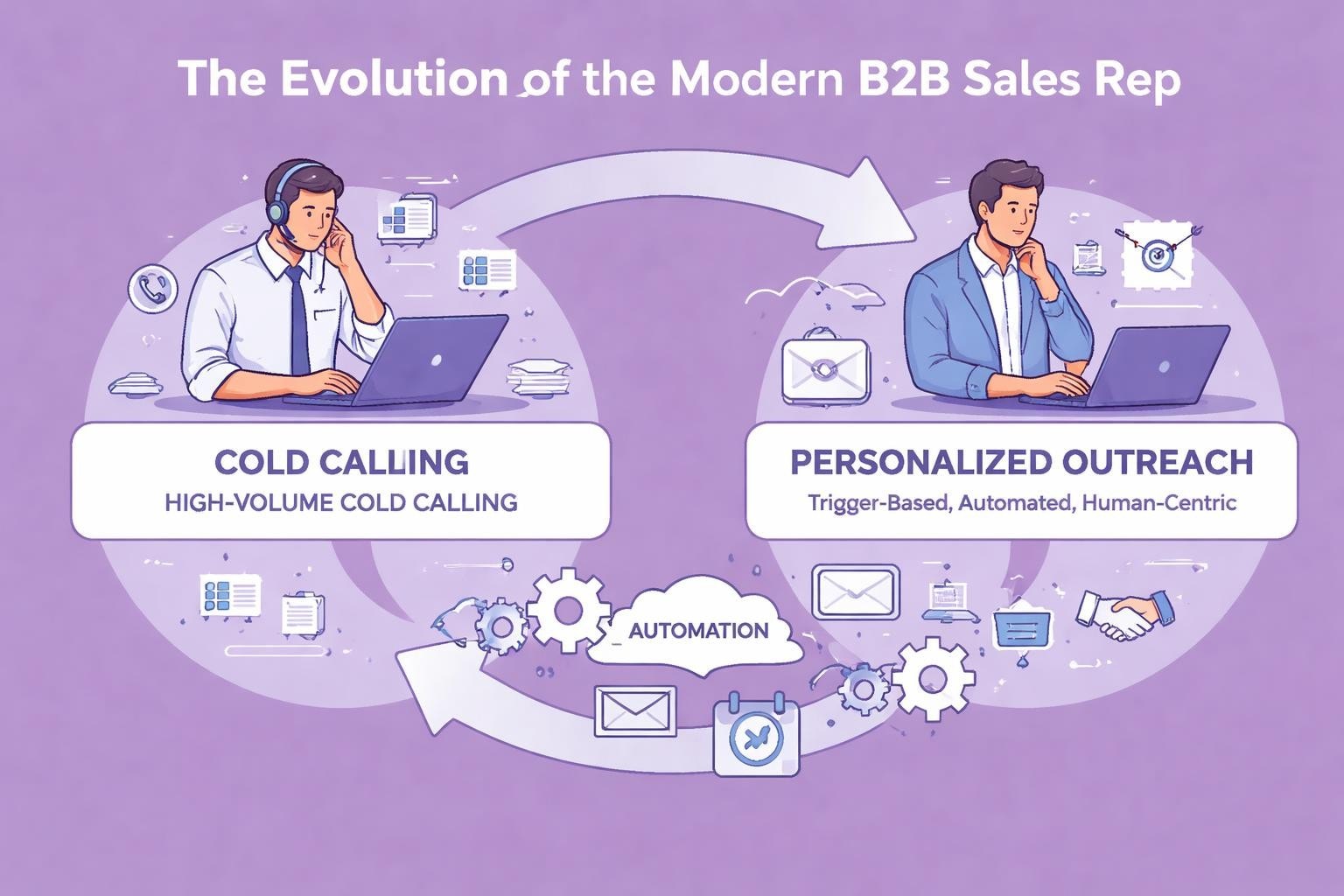
A B2B technology firm sought to optimize sales outreach in a rapidly changing industry. They adopted agile, outbound methods, using real-time triggers to engage prospects at the right moment.
Leveraging lessons from Agile outbound approaches, the sales team reduced response times by 50% and increased qualified leads per quarter.
Automated prospecting based on live data
Weekly retrospectives to refine timing
Integrated analytics for instant feedback
This kept the team ahead of market shifts and customer needs. This kind of strategy is pioneered by tools like Samplead.
Insights: Customization Drives Success
These cases show that these strategies are most effective when tailored to an organization's unique context. Whether it is driving revenue, speeding up delivery, or boosting sales agility, the key is adapting time based principles to specific goals.
Tools and Technologies for Time-Based Strategy Execution
Success with any time based strategy hinges on using the right tools. In 2025, technology empowers teams to track, automate, and analyze every second, turning time into a measurable asset. The right tech stack not only boosts productivity, it transforms how organizations approach goals.
Project Management and Time Tracking Tools
Effective project management tools are essential for any time based initiative. Platforms like Asana, Trello, and Monday.com help teams organize tasks, set deadlines, and visualize workflows. These tools break down large projects into manageable timing-relevant phases, making it easier to hit key milestones.
Time tracking apps, such as Toggl and RescueTime, provide visibility into how hours are spent. By tracking activities in real time, leaders can identify bottlenecks and optimize resource allocation. Integrating these solutions ensures that every objective is measurable and actionable.
Automation and Analytics Platforms
Automation is a game-changer for efficiency across the board. Tools like Zapier and Make connect apps and automate repetitive tasks, freeing up valuable hours. Automated workflows can trigger reminders, send reports, or update dashboards based on events.
Analytics platforms, such as Tableau and Google Analytics, offer deep insights into performance trends. They enable teams to monitor KPIs, spot inefficiencies, and make data-driven decisions. For organizations handling complex time sensitive data, extracting actionable insights, which is invaluable for refining these strategies.
Features, Adoption Data, and Implementation Tips
When selecting tools for time based execution, prioritize features like real-time notifications, robust integrations, and customizable workflows. These capabilities ensure teams can respond quickly to changes and adapt plans as needed.
A recent industry survey found that companies adopting automation platforms report a 15–20% reduction in manual workload. This efficiency gain is critical for scaling processes across departments. To maximize impact, pilot new tools with a small team, gather feedback, and roll out organization-wide only after confirming value.
By investing in the right technology and focusing on features that support flexibility, organizations create a foundation for sustained success in 2025.
Expert Insights and Advanced Tips for 2025
In 2025, the experts agree: mastering time based strategies will separate industry leaders from the rest. Thought leaders across sectors are doubling down on these kinds of frameworks, recognizing that static, annual planning is no longer enough. The pace of change demands continuous adaptation, real time feedback, and a willingness to experiment.
Organizations are shifting toward time based models because these approaches foster agility and resilience in unpredictable markets. We see that real world success often hinges on the ability to evaluate and refine strategies using varied metrics, not just static outcomes.
Advanced Tactics for 2025
To stay ahead, organizations are embracing advanced tactics that extend the core principles of this kind of strategy. Predictive analytics enable leaders to forecast trends and anticipate shifts before they occur. Scenario planning prepares teams to respond quickly to emerging opportunities or risks. Dynamic scheduling, powered by AI and automation, allows for rapid reallocation of resources in real time.
The most effective strategies use a combination of these tactics. For example, companies are integrating real time data streams into their decision making, allowing for continuous optimization. By leveraging these advanced tools, businesses can maintain a competitive edge and adapt to evolving market conditions.
Human Oversight and Leadership in a Time Based World
Even as automation and AI become more prevalent, human oversight remains critical in any strategy. This is core to Samplead's philosophy; empower the human with AI, but keep the human in the loop. Leaders must foster a culture that values time literacy, encouraging teams to understand the impact of time based decisions on both short term performance and long term growth.
Developing a time conscious organization means investing in training, transparent communication, and regular reflection. Leaders who combine technological innovation with strong human judgment achieve the best results. Ultimately, continuous learning and adaptation are the hallmarks of time based mastery, empowering organizations to thrive no matter what 2025 brings.