The Essential GTM Setup Guide for 2026

Data-driven marketing is more complex and critical than ever in 2026. With new channels, technologies, and privacy rules, staying ahead means adapting fast.
Google Tag Manager remains essential for marketers, developers, and analysts. It simplifies tracking, streamlines tag management, and helps teams optimize every digital strategy.
However, the challenges are real. Managing tags, tracking user behavior, and keeping up with privacy regulations can feel overwhelming.
This actionable guide walks you through every step of a modern gtm setup. You will learn about the latest features, best practices, and advanced strategies to ensure you collect accurate data and maximize your marketing performance.
Get ready to master GTM fundamentals, account setup, container configuration, advanced tracking, privacy compliance, troubleshooting, and optimization.
Understanding GTM in 2026: Essential Updates & Fundamentals
The landscape of digital marketing is evolving quickly, and a robust gtm setup is now more important than ever. To stay ahead, you need to understand how Google Tag Manager has changed, what new features are available, and how these updates impact your analytics and compliance strategies. This section explores GTM’s transformation and why it remains a cornerstone of modern digital marketing.
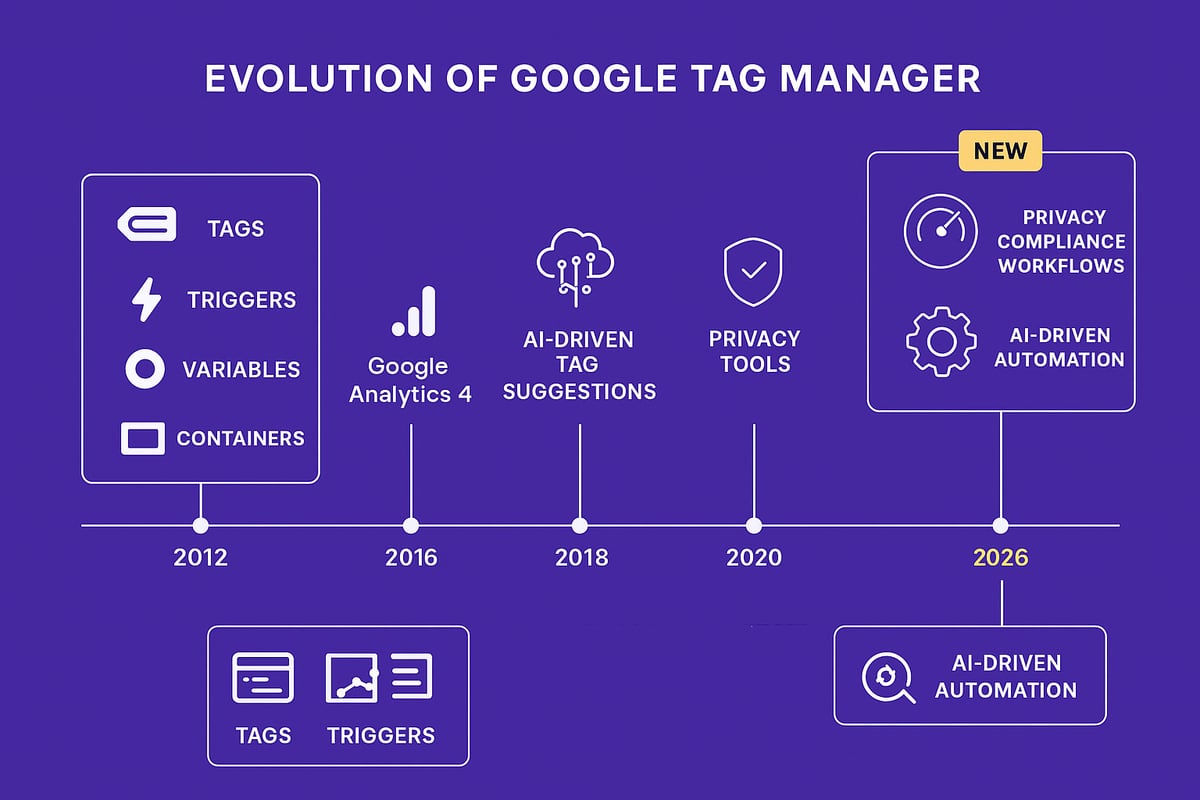
Evolution of Google Tag Manager: 2012–2026
Since its launch in 2012, Google Tag Manager has transformed how teams approach gtm setup. Early versions focused on simplifying tag deployment, letting marketers add and update code snippets without developer intervention.
Major milestones include the introduction of built-in templates, mobile app support, and server-side containers. In 2025, AI-driven tag suggestions revolutionized workflows, making it easier to identify tracking opportunities. The 2026 interface now offers real-time collaboration and automated conflict detection, streamlining complex deployments.
These advancements ensure gtm setup is agile, scalable, and future-proof for any business environment.
Core Concepts Refresher
A successful gtm setup relies on understanding four key elements: tags (snippets that collect data), triggers (rules that fire tags), variables (dynamic data points), and containers (the workspace for all tags). These pieces form the backbone of your tracking infrastructure.
GTM fits seamlessly into today’s martech stack by connecting with tools like Google Analytics 4, Google Ads, and other platforms. For a comprehensive look at core features, check the Google Tag Manager Features Overview.
Whether you are tracking conversions or custom events, mastering these concepts is essential for an effective gtm setup.
New Features and Enhancements in GTM 2026
The 2026 gtm setup introduces several groundbreaking features. AI-powered tag recommendations make it easier to find and implement optimal tracking configurations. Enhanced server-side tagging now boosts data accuracy and resilience against browser limitations.
Built-in privacy and consent management tools help you comply with global regulations. GTM can also auto-detect third-party script conflicts, reducing troubleshooting time.
These enhancements mean your gtm setup is more powerful, secure, and compliant than ever before.
GTM’s Role in a Privacy-First World
With privacy regulations like GDPR, CCPA, and new 2026 policies, a privacy-focused gtm setup is critical. GTM now offers integrated consent management, allowing you to control when and how data is collected based on user preferences.
According to recent data, 78% of marketers list privacy as a top concern in 2026. GTM’s capabilities make compliance easier, letting you adapt quickly as laws evolve.
By prioritizing privacy, your gtm setup builds trust and meets regulatory demands.
The Value of GTM for Modern Marketers and Developers
A streamlined gtm setup saves time and reduces errors by centralizing tag management. Marketers benefit from faster campaign launches and easier updates, while developers appreciate reduced code clutter.
For example, an eCommerce brand improved campaign agility by using GTM to deploy new tracking and ad pixels in minutes. This flexibility drives better performance and higher ROI.
Ultimately, a well-executed gtm setup empowers teams to respond swiftly to market changes and deliver precise, actionable analytics.
Step-by-Step GTM Account & Container Setup for 2026
Getting your gtm setup right from the start is crucial for data accuracy and campaign success. Let’s walk through how to build a robust foundation for your marketing analytics in 2026.

Creating and Configuring Your GTM Account
Start your gtm setup by visiting the GTM dashboard and selecting “Create Account.” Enter your business name and choose the region matching your data residency needs. For single-site businesses, a simple account structure suffices. If you manage multiple brands or websites, consider a multi-account approach. For example, an enterprise with several sub-brands can create sub-accounts for each, streamlining permissions and reporting.
Use a naming convention that’s both clear and scalable. For instance, “BrandName – Web” or “BrandName – iOS” helps you stay organized as you grow. Assign administrative access only to trusted team members, and document your structure for future audits. This disciplined gtm setup ensures everyone knows where to find and manage tags.
Creating and Installing Your First Container
After account creation, your next gtm setup task is to add a container. Choose the environment: Web, AMP, iOS, Android, or Server. Each serves a unique purpose. For complex data needs or privacy-sensitive industries, server-side containers are increasingly popular in 2026.
Best practice is to use descriptive container names, such as “BrandName – Server – EU.” Set up environments for development, staging, and production to safely test changes. Assign permissions based on role—editors for marketing, viewers for stakeholders. In an eCommerce example, a server-side container boosts data reliability and minimizes client-side data loss.
Installing GTM Snippet on Your Website or App
The next step in your gtm setup is deploying the GTM code snippet. For web, copy the code from your container dashboard and place it immediately after the opening <head> tag on every page. For apps, use the GTM SDK for iOS or Android. Always verify installation with GTM’s built-in preview mode or third-party scanners.
Watch for common pitfalls like duplicate containers or script conflicts. Refer to the GTM Security & Privacy Hub for best practices on snippet placement, consent mode, and secure deployment. These steps help keep your implementation compliant and robust.
Setting Up User Permissions & Workspaces
A scalable gtm setup depends on correct team access. In the GTM admin panel, assign roles: Admin, Editor, Approver, or Viewer. Only grant editing rights to those who need them. Use workspaces to allow multiple team members to work on separate tag updates without interfering with each other.
For agencies, create a dedicated workspace for each client. This avoids accidental overwrites and streamlines approvals. A well-structured workspace system keeps your team agile and your gtm setup conflict-free.
Connecting GTM to Key Platforms
To maximize your gtm setup, integrate with essential marketing tools. Connect Google Analytics 4, Google Ads, and third-party platforms like HubSpot or Salesforce. Use built-in templates for common integrations, and custom tags for advanced needs.
A recent study shows 65 percent of businesses use GTM to connect at least three platforms, ensuring seamless data flow and attribution. This multi-platform gtm setup enables unified reporting and better campaign optimization.
Version Control and Publishing Best Practices
Every effective gtm setup relies on versioning. GTM’s built-in version control tracks every change. Before publishing, review the change history and test in a staging environment. If you encounter issues, use the rollback feature to revert to a stable version.
For example, if a new tag breaks your checkout process, simply restore the previous version and investigate in a test workspace. Document all changes and approvals for compliance. This disciplined approach keeps your gtm setup resilient and audit-ready.
Advanced Tag, Trigger, and Variable Configuration
Mastering advanced tag, trigger, and variable configuration is the cornerstone of an effective gtm setup in 2026. As the martech landscape evolves, understanding these elements empowers marketers and developers to capture precise data, streamline analytics, and fuel better decisions. Let’s break down each key area to ensure your gtm setup is robust, future-ready, and delivers actionable insights.
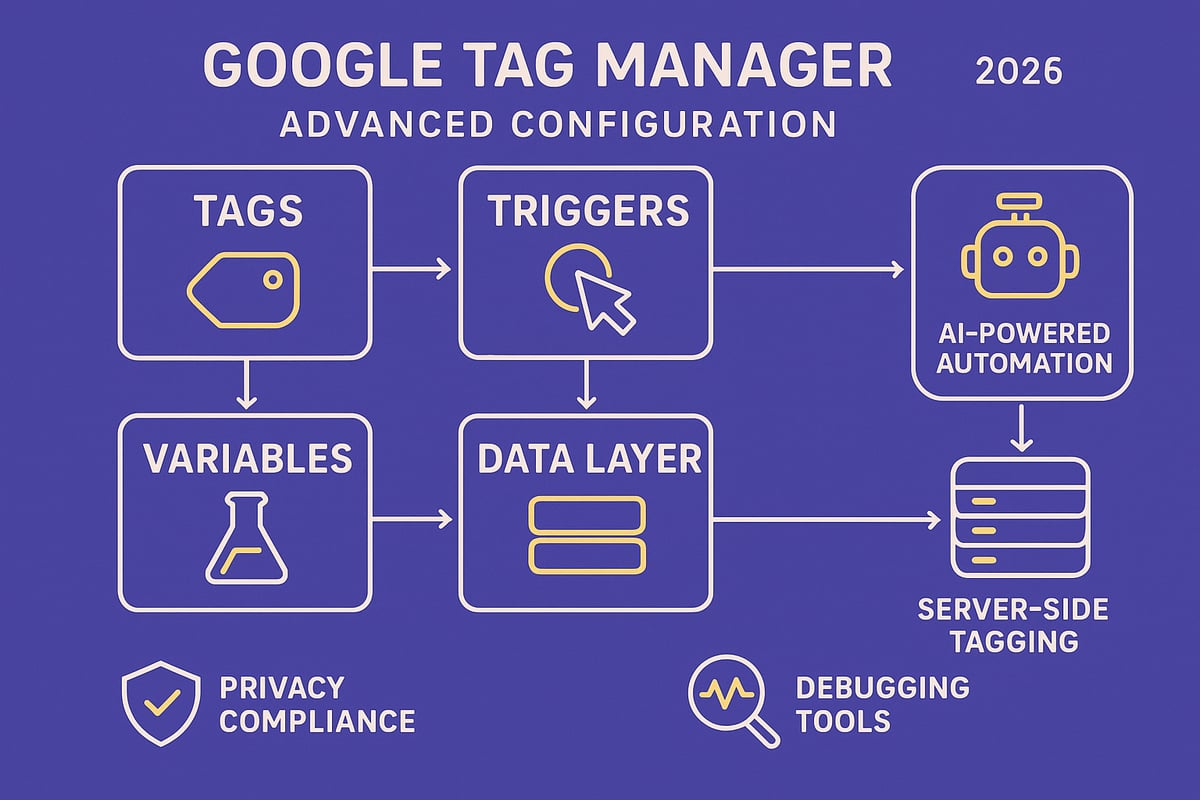
Tag Management in 2026: Types and Use Cases
Tag management is central to every gtm setup. In 2026, you’ll work with several tag types:
- Analytics Tags: Send user interaction data to Google Analytics 4, Mixpanel, or other analytics tools.
- Advertising Tags: Track conversions and retargeting via Google Ads, Facebook Pixel, and similar platforms.
- Conversion Tracking Tags: Measure form submissions, downloads, or purchases.
- Custom HTML Tags: Deploy third-party tools or custom scripts for advanced use cases.
A modern gtm setup often incorporates enhanced eCommerce tags for GA4, capturing detailed transaction data. This flexibility allows you to deploy and update tags without code changes, making campaign launches faster and reducing risk.
| Tag Type | Primary Use Case | Example Platform |
|---|---|---|
| Analytics | Track user behavior | Google Analytics 4 |
| Advertising | Conversion and remarketing | Google Ads, Facebook Pixel |
| Conversion | Measure key actions | Form submissions, purchases |
| Custom HTML | Custom scripts and integrations | Chat widgets, surveys |
A well-structured gtm setup ensures scalability and accuracy, especially as data needs grow.
Building Powerful Triggers
Triggers define when tags fire, making them essential for a precise gtm setup. In 2026, GTM offers a variety of trigger types:
- Pageview: Fire tags on page load.
- Click: Track button, link, or element clicks.
- Scroll: Capture user scroll depth for engagement analysis.
- Form Submission: Identify successful form completions.
- Custom Events: Monitor unique interactions or SPA route changes.
For complex sites, specificity is key. For instance, with single-page applications, triggers should target virtual pageviews or dynamic content loads. Use trigger filters to avoid firing tags unnecessarily, which keeps your gtm setup lean and accurate.
// Example: Custom event trigger for SPA route change
dataLayer.push({
  'event': 'virtualPageview',
  'pagePath': '/new-section'
});
Leveraging Variables for Dynamic Data Collection
Variables are the dynamic backbone of your gtm setup, letting you capture everything from UTM parameters to user attributes. GTM supports:
- Built-in Variables: Click classes, page URLs, referrers.
- User-Defined Variables: Custom JavaScript, regex, lookup tables.
- Data Layer Variables: Pull values from your site’s data layer.
For example, capturing UTM parameters enables granular campaign attribution. Variables also help you track lead details and user interactions, which can be vital for building detailed prospect profiles. For a detailed look at organizing and tracking lead data, see Everything on a prospect card.
A strategic gtm setup leverages variables for personalization and advanced segmentation.
Data Layer Mastery
The data layer is the invisible data pipeline powering your gtm setup. In 2026, structuring the data layer is more important than ever, especially for eCommerce and SaaS platforms.
A well-organized data layer allows you to push transaction data, user IDs, or custom events directly into GTM. This supports advanced tracking and simplifies integrations with analytics and CRM systems.
Example structure:
window.dataLayer = window.dataLayer || [];
window.dataLayer.push({
  'event': 'purchase',
  'transactionId': '12345',
  'transactionValue': 99.99,
  'items': [
    {'id': 'sku123', 'name': 'Product A', 'price': 49.99},
    {'id': 'sku124', 'name': 'Product B', 'price': 50.00}
  ]
});
A robust data layer is foundational for a scalable gtm setup that can adapt to new business needs.
Debugging and Testing Tags Before Publishing
No gtm setup is complete without thorough testing. GTM’s Preview and Debug mode lets you validate tag firing, triggers, and data layer variables in real time.
Common issues include tags not firing, incorrect variable values, or conflicts between scripts. Use browser extensions and built-in tools to monitor tag execution. Always test across multiple browsers and devices to ensure reliability.
When troubleshooting, start with the GTM debug console, check for errors, and review trigger conditions. This proactive approach ensures your gtm setup is error-free and compliant before going live.
Automation and AI in Tag Management
Modern gtm setup benefits from AI-powered features in GTM 2026. AI-driven tag suggestions help optimize tag deployment and reduce manual errors. Automation can recommend trigger configurations, identify redundant tags, and flag potential script conflicts.
For example, GTM’s AI might suggest consolidating similar triggers or highlight tags that slow down your site. Embracing these tools streamlines your gtm setup, making it smarter and more resilient.
By leveraging automation and AI, you position your gtm setup for peak efficiency and adaptability in a rapidly changing digital landscape.
Privacy, Consent, and Compliance with GTM
Navigating privacy, consent, and compliance is now a core pillar of any gtm setup. In 2026, new regulations have changed how marketers collect and process data, making robust tag management essential. With 92% of global websites needing to comply with at least one privacy law, the pressure to get this right has never been higher.
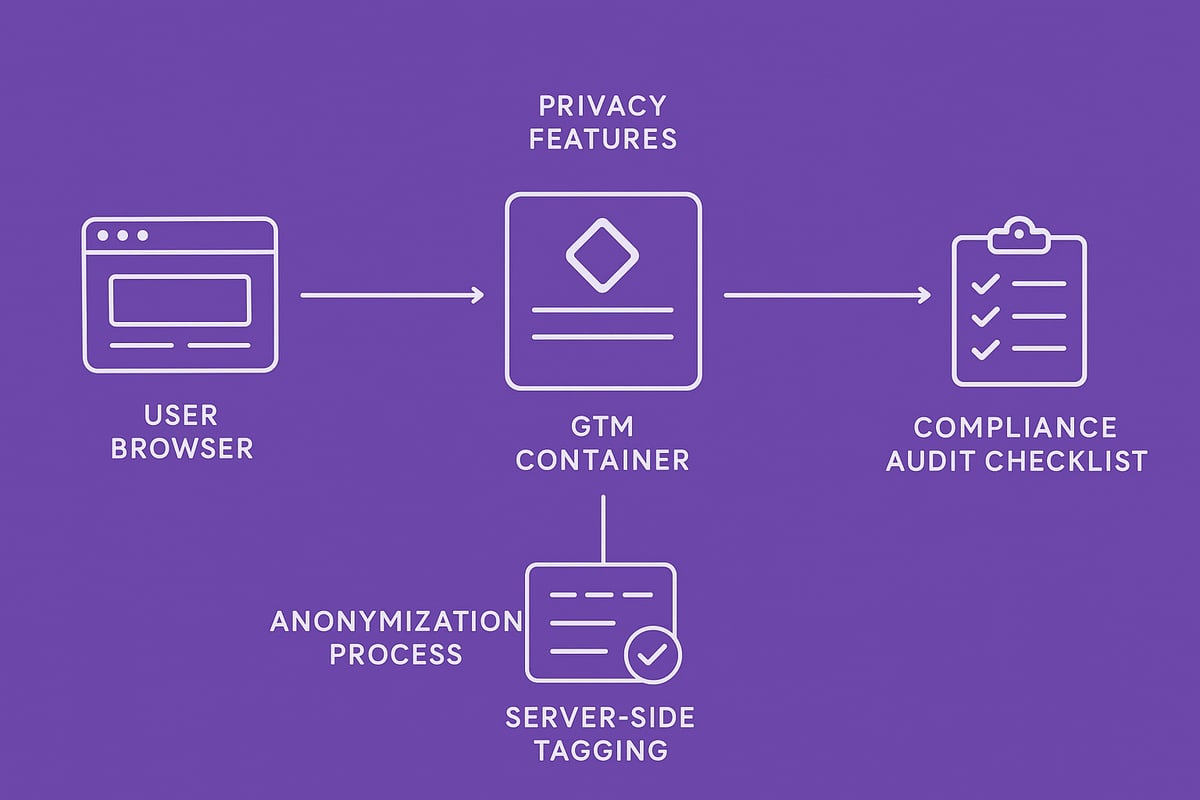
Navigating the 2026 Privacy Landscape
The privacy landscape in 2026 is more complex than ever before. New and updated laws, such as GDPR, CCPA, and region-specific acts, require businesses to rethink their gtm setup. Every website must now account for detailed consent, data minimization, and transparent user tracking. Non-compliance can lead to heavy fines and reputational damage.
To stay compliant, organizations must keep their gtm setup updated with evolving legal requirements. This means monitoring for regulatory changes and adapting quickly.
Consent Management in GTM
Consent management is at the heart of a privacy-first gtm setup. GTM’s built-in consent mode lets you control which tags fire based on user permissions. By integrating with leading consent management platforms (CMPs), you can easily ensure that analytics, advertising, and other tracking tags only activate after explicit user approval.
For example, you might configure your gtm setup so that marketing tags are blocked until a user clicks “Accept” on your consent banner. This not only keeps you compliant but also builds trust with your audience.
Data Minimization and Anonymization Strategies
Data minimization is a fundamental principle in any modern gtm setup. Collect only what you need—nothing more. Use GTM’s built-in anonymization tools, such as IP anonymization for Google Analytics tags, to further protect user identities.
Best practices include:
- Limiting data layer variables to essential fields.
- Avoiding the capture of personally identifiable information.
- Enabling anonymization settings on all analytics and advertising tags.
These steps help ensure your gtm setup is both effective and privacy-conscious.
Server-Side Tagging for Enhanced Privacy
Moving to server-side tagging is one of the most impactful upgrades for privacy in your gtm setup. With server-side containers, sensitive data is processed in a secure environment, reducing exposure to third-party scripts and cookies.
For example, a healthcare website can use server-side gtm setup to ensure patient data never leaves their infrastructure. This approach supports compliance and improves data accuracy by filtering and transforming data before it reaches external vendors.
Auditing and Monitoring Compliance
Routine audits are critical for a secure gtm setup. Use automated audit tools and checklists to review all tags, triggers, and data flows. Document the purpose of each tag and ensure every data point collected has a valid legal basis.
For deeper insight, refer to the GTM Terms of Service to understand your compliance obligations. Regular reviews help you catch unauthorized tags, outdated scripts, or gaps in consent management.
A well-audited gtm setup not only meets legal requirements but also builds a foundation of trust with your users.
Troubleshooting, Optimization, and Future-Proofing Your GTM Setup
A robust gtm setup is only as strong as its weakest link. Even expert marketers face issues with tags not firing, slow site performance, or data inconsistencies. Mastering troubleshooting and optimization ensures your gtm setup delivers reliable insights, supports growth, and stays ahead of industry changes.
Common GTM Issues and How to Fix Them
No gtm setup is immune to issues. Tags may fail to fire due to misconfigured triggers, browser restrictions, or script conflicts. Always use GTM’s Preview and Debug mode to test deployments before publishing.
Typical problems include:
- Tag not firing on specific browsers (disable browser extensions and test in incognito)
- Data discrepancies between platforms (double-check variable mappings)
- Script conflicts (watch for duplicate code snippets)
Keep a checklist handy for each launch. Test all critical tags across browsers and devices. Document any fixes for future reference.
Performance Optimization with GTM
A streamlined gtm setup keeps your site lightning fast. Tag bloat slows down load times and can hurt conversions. Audit your tags regularly, removing those that are outdated or redundant.
Deploy tags asynchronously and leverage lazy loading for heavy scripts. Sites with optimized tag management can load up to 30% faster, directly impacting user experience. For real-world feedback, consult Gartner Peer Insights on GTM to see how others optimize performance and satisfaction.
Use built-in performance reports to spot slow tags, and prioritize critical tracking above all else.
Monitoring and Maintaining Your GTM Implementation
A healthy gtm setup demands ongoing monitoring. Set up automated alerts for tag failures or data anomalies. Schedule monthly reviews using an audit checklist to catch issues early.
Key maintenance steps:
- Review tag firing logs regularly
- Check for new privacy or browser updates impacting tags
- Document all changes for compliance and rollback
Version control lets you track every change. If something breaks, you can roll back to a stable version in seconds.
Preparing for Future GTM Updates
Stay proactive with your gtm setup by following Google’s release notes and joining GTM beta programs. Early adoption of AI-driven features can give your team a competitive edge.
Participate in GTM communities to share insights and learn from real-world case studies. Adapt your processes as best practices evolve. This ensures your gtm setup remains secure, compliant, and high-performing as new technologies emerge.
GTM for Cross-Platform and Omnichannel Tracking
A future-ready gtm setup extends beyond web. Track user journeys across mobile apps, IoT devices, and third-party platforms for unified analytics. Use consistent tag structures and variable naming to simplify data integration.
For a deeper dive into the data elements that matter for omnichannel tracking, check out All components of the prospect card. This approach ensures that your gtm setup captures the full customer experience and supports holistic marketing analysis.
Pro Tips, Resources, and Expert Recommendations for GTM Success in 2026
Mastering your gtm setup in 2026 means going beyond the basics. To truly excel, you need practical strategies, the right tools, and a commitment to ongoing learning. Here are the top ways to stay ahead.
Power User GTM Hacks
Unlock the full potential of your gtm setup with these advanced tactics:
- Custom Templates: Build and reuse custom tag templates for consistency and speed.
- Tag Sequencing: Control the firing order of tags to ensure accurate data flow.
- Advanced Triggers: Set up triggers for complex events, like SPA navigation or dynamic forms.
- Community Template Gallery: Use GTM’s template gallery to deploy best-practice tags in minutes.
Want to expand your stack? After your gtm setup, consider learning How to do a HubSpot integration to connect CRM and marketing data seamlessly.
Essential Tools and Resources
Serious about your gtm setup? Leverage these must-have tools:
- Tag Assistant: Debug tags and troubleshoot setup issues.
- Data Layer Inspector: Visualize and validate your data layer.
- Custom JavaScript Console: Test code snippets safely.
- GTM Copy/Paste Extension: Migrate tags, triggers, and variables between containers.
For learning, top resources include the official GTM documentation, MeasureSchool, Simo Ahava’s blog, GTM communities on Reddit and LinkedIn, and the Google Tag Manager YouTube channel.
Expert Insights and Ongoing Mastery
Industry experts agree: successful gtm setup in 2026 means staying current. Join beta programs, attend webinars, and participate in forums to learn about AI-driven features and evolving privacy tools. Remember, 80% of top marketing teams invest in GTM training.
Use this checklist to maintain GTM excellence:
| Task | Frequency |
|---|---|
| Audit tags and triggers | Monthly |
| Review data layer structure | Quarterly |
| Update templates and integrations | Quarterly |
| Monitor for new GTM features | Ongoing |
| Document changes and permissions | Every edit |
Prioritize continuous improvement and your gtm setup will always deliver peak performance.